Skip to content
Learning how to start cooking at home does not require expensive equipment, complicated recipes, or years of experience. For a complete beginner, the best approach is to build a few basic cooking skills, understand common ingredients, learn how heat and seasoning affect food, and practise simple recipes regularly.
Cooking for beginners becomes much easier when you avoid trying to learn everything at once. Start with basic preparation and knife skills, learn how to measure ingredients and control heat, follow straightforward recipes, and gradually take on more challenging dishes. With regular practice, cooking becomes more predictable and much less stressful.
Set Up a Basic Kitchen
You do not need a professional kitchen to begin. A small selection of reliable cookware and utensils is enough for most everyday meals.
Start with a medium frying pan, a saucepan or cooking pot, a cutting board, a chef’s knife, a spatula, a wooden or silicone spoon, a mixing bowl, and measuring cups and spoons. A colander, grater, and vegetable peeler can also be useful.
Your chef’s knife is particularly important. One good knife can handle most everyday preparation, including chopping vegetables, slicing meat, and mincing garlic. When learning, focus on control and consistency rather than speed.
Keep your workspace organised as you cook. Having the equipment and ingredients you need nearby makes following recipes much easier and reduces unnecessary movement around the kitchen.
Understand Common Cooking Ingredients

One of the most useful parts of cooking for beginners is learning what common ingredients actually do.
Onions and garlic are frequently used as flavour bases. Tomatoes add acidity, moisture, and body to many dishes. Fresh herbs provide aroma and freshness, while spices such as cumin, coriander, turmeric, black pepper, and chilli can add depth and heat.
Cooking fats such as oil and butter help transfer heat and can also contribute flavour and texture. Rice, potatoes, pasta, flour, eggs, meat, vegetables, dairy products, and legumes all respond differently to heat and moisture.
You do not need to memorise everything immediately. Instead, pay attention to how ingredients change during cooking. Onions soften and become sweeter, spices become more aromatic when cooked correctly, and proteins change colour and texture as they cook.
Understanding these changes will eventually help you cook confidently without depending entirely on a recipe.
Learn Basic Preparation and Knife Skills
Preparation is one of the most important basic cooking skills. Before turning on the stove, read the recipe and prepare the ingredients you will need.
Wash and cut vegetables, measure spices, portion meat, and organise ingredients in the order they will be used. This approach is often called mise en place and makes cooking more organised.
Start by practising simple knife techniques such as chopping onions, slicing vegetables, mincing garlic, and cutting ingredients into similar-sized pieces. Consistent pieces generally cook more evenly.
Do not try to chop quickly when you are starting. Safe, controlled movements are more important than speed. As you repeat the same tasks, your technique and speed will naturally improve.
If you want structured guidance while developing these fundamentals, the Cooking Course for Beginners at SB Kitchens is a relevant starting point.
Learn How to Measure Ingredients
Accurate measurement is particularly important when baking, but it also helps when preparing everyday meals.
Use measuring spoons for ingredients such as salt, spices, baking powder, and other small quantities. A kitchen scale can provide greater accuracy when recipes specify ingredients by weight.
When following a recipe for the first time, avoid changing several quantities at once. A recipe is designed around a particular balance of ingredients, and changing too much can affect the final flavour, texture, or consistency.
As your experience develops, you will become better at estimating quantities. Until then, accurate measurements give you a reliable starting point.
Learn How to Season Food
Seasoning is an important part of learning how to learn cooking at home. Beginners often either under-season food or add too much seasoning at once.
Salt enhances the natural flavour of ingredients, while spices, herbs, chilli, ginger, garlic, and other seasonings add specific flavours and aromas. Different dishes require different combinations, so do not assume that every recipe needs the same seasoning.
Add seasoning gradually when appropriate and taste as you cook. This helps you understand how the flavour changes as ingredients cook and allows you to make controlled adjustments.
A useful beginner habit is to make small changes rather than trying to correct a dish with a large amount of salt or spice at the end.
Understand Heat Control

Heat control is one of the most important basic cooking skills to learn.
Low heat is useful for slow cooking and gently reducing sauces. Medium heat works for many everyday cooking tasks, while high heat can be useful for searing meat, quickly frying ingredients, or bringing liquids to a boil.
One common beginner mistake is using high heat for everything. A very hot pan can burn garlic, spices, or onions before other ingredients have cooked properly.
Instead of relying only on the stove setting, watch and listen to the food. If ingredients are browning too quickly, reduce the heat. If there is almost no cooking activity, the heat may need to be increased.
With practice, you will start recognising the difference between gentle simmering, steady frying, and excessive heat.
Follow Recipes Step by Step
When learning how to start cooking at home, choose recipes that have clear instructions and manageable preparation.
Read the complete recipe before beginning. Check the ingredients, measurements, cooking order, preparation requirements, and approximate cooking time.
Prepare the ingredients before starting the main cooking process. If a recipe asks you to add chopped onions, spices, or vegetables at different stages, have them ready beforehand.
When following a recipe for the first time, avoid making major changes. First learn how the original method works, then make adjustments once you understand the technique.
Start With Easy Everyday Meals
A good beginner cooking guide should focus on simple meals that allow you to practise several basic techniques without becoming overwhelming.
Start with foods such as eggs, simple rice dishes, pasta, vegetables, basic chicken preparations, soups, and straightforward curries. These recipes help you practise chopping, seasoning, timing, heat control, and ingredient preparation.
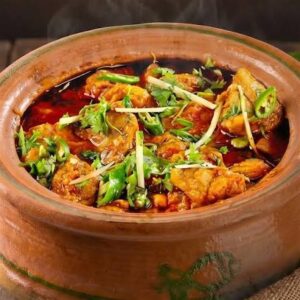
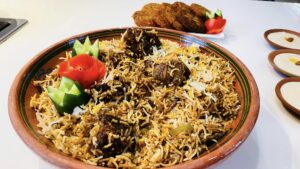
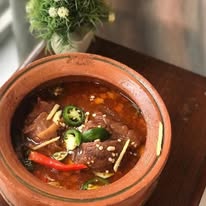
Once you are comfortable with basic savoury cooking, you can try recipes that combine several of these skills. For example, our Chicken Karahi Recipe is useful for practising browning, tomato masala, seasoning, and heat control, while the Chicken Yakhni Pulao Recipe helps you practise rice preparation, stock, liquid ratios, and controlled cooking.
For another practical recipe involving meat preparation, shaping, seasoning, and frying, you can also explore our Shami Kabab Recipe.
Once you are comfortable with basic savoury cooking, you can gradually introduce baking. Our How to Bake a Cake guide can help you practise accurate measurements, mixing, oven temperature, baking time, and checking whether food is properly cooked.
Manage Cooking Time
Cooking becomes easier when you understand the difference between preparation time and cooking time.
Before starting, identify which ingredients require preparation and which components take the longest to cook. Prepare those ingredients first so you are not rushing while something is already on the stove.
Do not rely entirely on the timer. Cooking times can vary depending on the quantity of food, pan size, heat level, ingredient size, and cookware.
Learn to recognise physical signs instead. Vegetables may become tender, sauces may thicken, meat may change colour and texture, and rice may absorb its cooking liquid. These cues are often more useful than a fixed number of minutes.
Common Beginner Cooking Mistakes
Using the Wrong Heat
High heat is not always better. It can burn ingredients and leave the inside of food undercooked. Follow the recipe’s recommended heat and adjust it based on what is happening in the pan.
Poor Timing
Adding ingredients too early or too late can affect flavour and texture. Read the recipe carefully and prepare ingredients in the order they are required.
Incorrect Seasoning
Adding too much salt or spice at once can be difficult to correct. Season gradually and taste when appropriate.
Overcrowding the Pan
Putting too many ingredients into a pan can reduce its temperature and prevent proper browning. Cook in batches when necessary, particularly when preparing meat or vegetables.
Starting Complicated Recipes Too Early
Recipes with many ingredients and techniques can make beginners feel overwhelmed. Build confidence with simple meals before moving to more complicated dishes.
Improve Through Regular Practice
The most effective way to learn cooking from home is to practise consistently. You do not need to prepare elaborate meals every day. Even regular practice with basic techniques can make a noticeable difference.
Repeat a few recipes until you understand them. Your first attempt may teach you the basic process, while the next attempt can help you correct mistakes.
After cooking, think about what happened. Was the food too salty? Did the vegetables become too soft? Was the pan too hot? Did the sauce need more time to reduce?
These observations turn cooking from simply following instructions into an active learning process.
Learn Through SB Kitchens Online Cooking Classes
Some beginners prefer learning independently, while others benefit from structured, step-by-step instruction. SB Kitchens online cooking classes allow students to learn practical cooking techniques while practising from their own kitchens.
Structured online cooking classes can be particularly helpful when you are unsure how to begin or want guidance beyond individual recipes. Students can follow demonstrations and apply the techniques in their own cooking environment.
You can visit the SB Kitchens Academy to explore the available online cooking classes options.
This type of learning can complement recipe-based practice by helping you understand preparation, measurements, cooking techniques, seasoning, and the correct sequence of different cooking steps.
Conclusion
Learning how to start cooking at home is about building a strong foundation rather than trying to master everything immediately. Start with basic cookware, practise knife and preparation skills, measure ingredients carefully, learn seasoning and heat control, and follow simple recipes step by step.
Regular practice will gradually help you recognise when ingredients are ready, how much seasoning a dish needs, and how different cooking methods affect food. For more practical recipes, cooking guides, and structured online cooking classes opportunities, explore SB Kitchens and continue developing your cooking skills from home.