Skip to content
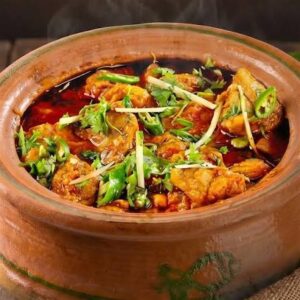
A good aloo gosht recipe depends on more than simply cooking mutton and potatoes together. The meat needs to become tender, the onions and spices need to be properly bhuna, the tomato masala should cook until the oil separates, and the potatoes need to become soft without breaking apart. The final curry should have tender mutton, properly cooked potatoes, a flavorful masala, and enough shorba to serve comfortably with roti or naan.
This mutton aloo gosht recipe follows the quantities and cooking method provided by SB Kitchens, including the important resting step at the end. The recipe uses mutton, onions, ginger, garlic, tomatoes, yogurt, cumin, dried coriander, and other spices to create a rich Pakistani-style curry.
Aloo Gosht Recipe Ingredients
The recipe uses the following ingredients:
- ½ kg to 1 kg mutton, cut into small pieces
- 2 onions, finely sliced
- Approximately 1 cup oil
- 1 tablespoon ginger paste
- 1 tablespoon garlic paste
- 2–3 tomatoes, blended into a paste
- ½ cup yogurt, as needed
- 2 teaspoons salt
- 1 teaspoon red chili powder
- ½ teaspoon turmeric powder
- 2 teaspoons cumin seeds
- 1 teaspoon dried coriander
- Potatoes, cut into large pieces
- 4–5 cups boiled water
- Garam masala, to taste
- 2 chopped green chilies
- ½ bunch fresh coriander, chopped
The original recipe allows ½ kg to 1 kg of mutton and notes that yogurt can be added when a richer, spicier, thicker curry is preferred.
How to Make Aloo Gosht Step by Step
Fry the Onions
Start by heating approximately one cup of oil in a large pot. Add the finely sliced onions and fry them over medium heat until they become lightly golden.
The onions should develop colour without becoming very dark or burnt. This stage contributes important flavour and colour to the final masala, so don’t rush it by using excessively high heat.
Once the onions reach a light golden colour, move directly to the next stage while keeping an eye on them because onions can darken quickly in hot oil.
Add Ginger and Garlic
Add one tablespoon each of garlic paste and ginger paste to the fried onions. Stir and fry briefly until the raw smell disappears and the mixture becomes fragrant.
The ginger and garlic should be cooked into the onions rather than left raw. Avoid burning the paste, as burnt garlic can give the entire curry a bitter taste.
Brown the Mutton
Add the mutton pieces and fry them well. The recipe specifies frying until the meat changes colour and is thoroughly browned. This step is important because it develops flavour before the meat is pressure-cooked.
Stir the meat regularly so the pieces are coated with the onion, ginger, garlic, and oil mixture. Properly browned mutton should no longer look raw on the surface and should have developed some colour from frying.
Pressure-Cook the Mutton Until Tender
Add a little water and transfer the meat to a pressure cooker. For ½ kg of mutton, the source recipe states that approximately 10 minutes of pressure cooking may be enough, although the required time can vary according to the type and cut of meat.
The goal is tender meat rather than simply following the clock. Once the pressure has been released, open the cooker and check the mutton. It should be sufficiently tender before continuing.
After pressure cooking, fry the meat well again. This second frying stage helps concentrate the flavour before the tomato masala is introduced.
Cook the Bhuna Masala

Add Tomatoes, Yogurt, and Spices
Add the blended paste from 2–3 tomatoes to the fried mutton. Then add salt, red chili powder, turmeric powder, cumin, and dried coriander.
The specified quantities are 2 teaspoons salt, 1 teaspoon red chili powder, ½ teaspoon turmeric, 2 teaspoons cumin, and 1 teaspoon dried coriander. For a richer and thicker curry, the recipe allows ½ cup of yogurt to be added.
Stir everything thoroughly and continue cooking. Initially, the tomatoes will release moisture and the mixture will look relatively loose. Don’t add the potatoes or water yet. Allow the tomato and spice mixture to cook properly.
Wait for Oil Separation
The most important visual cue during this stage is oil separation. Continue frying the masala until the tomatoes have cooked down and the oil begins to separate and rise to the top.
A properly bhuna masala should look thicker, richer, and more concentrated rather than watery. The oil appearing around and over the masala indicates that much of the tomato moisture has cooked away and the spices have been properly fried.
This stage should not be rushed. If the raw tomato taste is still obvious, continue cooking until the masala becomes properly cooked and aromatic.
Add the Potatoes
Once the masala is properly cooked, add the large pieces of potato. Fry the potatoes together with the mutton and masala for approximately 2–3 minutes.
This short frying stage coats the potatoes with the masala and allows them to absorb some of the flavour before the shorba is added.
Use large potato pieces rather than small cubes. Smaller pieces can become soft too quickly and may break apart during the simmering stage.
Add Boiled Water and Make the Shorba

Add 4–5 cups of boiled water and bring the curry into a gentle simmer. Lower the heat and allow the potatoes to cook.
According to the recipe, potatoes generally take around 10–15 minutes to become tender. Check them during cooking rather than relying only on the timer. They should be soft enough to pierce but still firm enough to hold their shape.
Avoid aggressive stirring because potatoes can break apart once they become tender. If you need to move the curry, gently shake or tilt the pot rather than repeatedly stirring with a spoon.
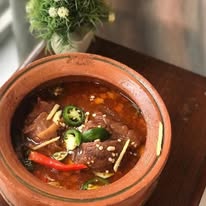
The amount of shorba should be enough to give the dish a proper curry consistency without turning it into a thin soup. The finished aloo gosht shorba should complement the tender mutton and potatoes while remaining rich with the cooked masala.
The Important Resting Step
Once the potatoes are fully cooked, add homemade ground garam masala to taste, two chopped green chilies, and half a bunch of chopped fresh coriander.
Cover the pot, turn off the heat, and let the curry rest for 15–20 minutes.
This is an important part of the original SB Kitchens recipe. The curry should not be served immediately after cooking. The resting period allows the spices and aromas to blend, giving the finished aloo gosht a deeper flavour.
After resting, gently reheat the curry before serving. Avoid vigorous stirring so the potatoes remain intact.
How to Get Tender Mutton and Perfect Potatoes
The key to a good aloo gosht recipe Pakistani style is controlling each stage rather than cooking everything together from the beginning.
The mutton should first be browned, then pressure-cooked until tender, and fried again before the tomato masala is added. This gives the meat both tenderness and a more developed flavour.
The potatoes should be added only after the masala has been properly bhuna. Fry them briefly, then simmer gently in the boiled water. Check them regularly during the 10–15 minute cooking period so they become tender without falling apart.
If you want to develop broader practical cooking skills alongside individual recipes, the Cooking Course for Beginners at SB Kitchens can help strengthen basic preparation and cooking techniques.
Troubleshooting Common Aloo Gosht Problems
Mutton Is Still Tough
If the mutton remains firm after pressure cooking, the meat may require additional cooking time depending on its cut. Continue cooking until tender rather than moving forward with undercooked meat.
Shorba Is Too Watery
A watery curry can result from adding too much water or not cooking the masala sufficiently before adding the potatoes. Next time, make sure the tomato masala reaches proper oil separation and use the recommended amount of boiled water.
Potatoes Are Undercooked
If the potatoes remain firm after the expected cooking period, continue simmering gently until they are tender. Large pieces naturally take longer, so test them with a fork rather than relying entirely on time.
Potatoes Break Apart
Overcooking and excessive stirring are the most likely causes. Use large potato pieces, simmer gently, and avoid repeatedly stirring once they become tender.
Masala Tastes Raw
A raw tomato or spice flavour usually means the masala was not fried long enough before the potatoes and water were added. Cook until the tomato mixture becomes thick and the oil separates before continuing.
There Is Too Much Oil
The recipe uses approximately one cup of oil, so some oil separation is expected. If the finished curry appears excessively oily for your preference, carefully remove some of the surface oil before serving rather than disturbing the potatoes.
Serving Aloo Gosht

After the final resting period and gentle reheating, serve the mutton aloo gosht hot with roti or naan. The bread works particularly well with the flavorful shorba and bhuna masala.
The ideal serving has tender pieces of mutton, intact soft potatoes, a concentrated masala, and enough shorba to coat the bread without being excessively thin.
For readers interested in developing broader professional food preparation and cooking techniques, Culinary Arts Courses in Lahore can provide a useful next step beyond individual recipes.
Conclusion
This aloo gosht recipe relies on careful cooking at every stage: lightly golden onions, properly browned mutton, tender meat from pressure cooking, thoroughly bhuna tomato masala, gently cooked potatoes, and balanced shorba. The final 15–20 minute resting period is especially important because it allows the spices and aromas to come together before reheating and serving.
For more practical Pakistani recipes, cooking guides, and kitchen tips, explore SB Kitchens and continue building your everyday cooking skills one recipe at a time.