Skip to content
A good chicken handi recipe combines tender chicken with a rich, thick gravy made from tomatoes, yogurt, cream, aromatics, and warming spices. The distinctive character of handi comes from careful bhunai: the onion, tomato, ginger-garlic, and spices need to cook down properly before the chicken and creamy ingredients are combined.
This homemade version focuses on achieving a balanced gravy rather than simply adding cream to a curry. The chicken should remain juicy, the masala should be well cooked, and the finished handi should have a thick, creamy consistency that coats the chicken without becoming watery or excessively oily.
Chicken Handi Recipe Ingredients
The choice of chicken depends on the texture you prefer. Boneless chicken cooks relatively quickly and is convenient for serving, while bone-in chicken can provide a deeper savoury flavour. If using boneless chicken, avoid cutting the pieces too small because they can become dry during bhunai.
The main ingredients include chicken, onion, tomatoes, ginger-garlic paste, yogurt or cream, cooking oil or butter, and spices such as red chili powder, cumin, coriander, salt, and garam masala. Green chilies, fresh coriander, and ginger julienne are useful for finishing the dish.
For a creamy version, use thick yogurt and fresh cream. Butter can also be added toward the end to give the gravy a richer texture and flavour.
Typical ingredients include:
- Boneless or bone-in chicken
- Onion
- Tomatoes
- Ginger-garlic paste
- Yogurt
- Cream
- Butter or cooking oil
- Red chili powder
- Cumin
- Coriander
- Garam masala
- Salt
- Green chilies
- Fresh coriander
- Ginger julienne
The quantities can be adjusted according to the amount of chicken being prepared, but maintaining a reasonable balance between tomato, yogurt, and cream is important for the final texture.
How to Prepare Chicken Handi Masala

Start by heating oil or a combination of oil and butter in a heavy pan or handi. Add finely sliced or chopped onion and cook over medium heat until softened and lightly golden.
The onion should develop colour without becoming deeply burnt. Properly cooked onion contributes sweetness and body to the gravy, while burnt onion can make the entire handi taste bitter.
Add ginger-garlic paste and cook until the raw aroma disappears. Stir regularly so the garlic does not burn.
Next, add chopped tomatoes and cook them down with the onion and aromatics. Add red chili powder, cumin, coriander, salt, and other selected spices.
At this stage, the mixture may look wet and loose. Continue cooking over medium heat, stirring occasionally, until the tomatoes soften completely and the masala becomes thick.
The important cue is that the masala should no longer look like freshly chopped tomatoes sitting in liquid. It should become concentrated, glossy, and cohesive before the chicken is added.
Cook the Chicken Through Proper Bhunai
Add the chicken pieces to the cooked masala and stir thoroughly so that the handi masala coats the chicken.
Increase the heat slightly and cook the chicken while stirring regularly. This bhunai stage is important because it allows the chicken to absorb the flavour of the tomato and spice mixture while excess moisture begins to evaporate.
If using boneless chicken, avoid prolonged cooking at high heat. Boneless pieces cook relatively quickly, and excessive bhunai can make them firm and dry.
The chicken should develop some colour while remaining coated in the masala. You should also notice the masala becoming thicker and more concentrated around the pieces.
If there is a large amount of watery liquid in the pan, continue cooking until it reduces before moving to the creamy stage.
For beginners who want to improve their preparation and cooking techniques, the Cooking Course for Beginners at SB Kitchens provides a useful structured learning option.
Add Yogurt Without Splitting It
Yogurt adds tanginess, creaminess, and body to chicken handi, but it needs to be incorporated carefully.
Whisk the yogurt until smooth before adding it. Reduce the heat and add the yogurt gradually while stirring continuously. Avoid adding very cold yogurt directly to an extremely hot pan because the sudden temperature difference can encourage splitting.
Once the yogurt is incorporated, continue cooking until the mixture becomes smooth and the excess moisture reduces.
The masala should eventually become glossy and thick. One of the clearest signs that the bhunai is progressing properly is oil separation. You may notice small amounts of oil appearing around the edges of the masala rather than remaining completely mixed into the tomato-yogurt mixture.
Do not rush this stage. If the yogurt has been added but the masala still tastes raw or watery, continue cooking gently until the mixture becomes properly integrated.
Add Cream and Create the Right Consistency

Once the chicken and masala are well cooked, lower the heat before adding cream.
Fresh cream should be added gradually and stirred gently into the gravy. The goal is to create a smooth, rich sauce rather than a thin cream-based curry.
Avoid adding excessive cream simply to make the dish richer. Too much can overpower the spices and make the gravy heavy.
If the handi becomes too thick, a small amount of water can be added and mixed carefully. Add only enough to reach the desired consistency because the finished dish should be thick and creamy rather than watery.
The ideal chicken handi gravy should cling to the chicken and coat the pieces when stirred. It should still have enough moisture to accompany naan or roti without looking like a dry masala.
Finish the Chicken Handi
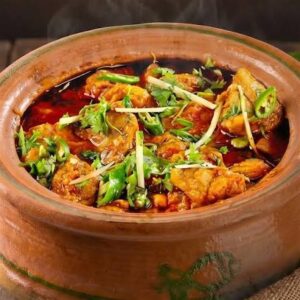
Once the gravy reaches the right consistency and the chicken is tender, finish the dish with garam masala, sliced green chilies, fresh coriander, and ginger julienne.
A small amount of butter can also be stirred through at the end for additional richness.
Keep the final cooking stage gentle. The purpose is to bring the flavours together rather than aggressively boil the cream-based gravy.
Taste the handi before serving and make small adjustments to salt or seasoning if necessary.
The finished dish should have a rich tomato-based flavour, mild tang from the yogurt, creamy body, balanced spice, and the freshness of coriander, green chilies, and ginger.
How to Keep Boneless Chicken Juicy
Boneless chicken is convenient, but it can become dry if it is cooked for too long.
Use reasonably sized pieces and avoid excessive cooking before the creamy ingredients are incorporated. The chicken should be cooked through while remaining tender.
Controlling heat is particularly important. Very high heat can quickly reduce the moisture around boneless chicken and make the outer surface firm.
If you prefer particularly tender chicken, chicken thighs can be a good option because they generally tolerate longer cooking better than very lean breast pieces.
The key is to cook the chicken until tender without continuing to reduce the gravy for so long that the meat loses its moisture.
Troubleshooting Chicken Handi
Watery Gravy
A watery handi usually means the tomato, yogurt, or other liquid has not been reduced sufficiently. Continue cooking over medium heat until the excess moisture evaporates and the masala becomes thick and glossy.
Dry Chicken
Dry chicken is commonly caused by overcooking, particularly when using small boneless pieces. Keep the pieces reasonably sized and control the heat during bhunai rather than cooking them aggressively for too long.
Yogurt or Cream Splits
Very high heat or a sudden temperature change can cause dairy ingredients to separate. Whisk yogurt beforehand, add it gradually over reduced heat, and keep the heat gentle when incorporating cream.
Raw Tomato Taste
If the finished handi still tastes sharply of uncooked tomato, the masala was probably not cooked down enough. Continue bhunai until the tomato loses its raw flavour and the mixture becomes concentrated.
Weak Flavor
Weak flavour can result from insufficient seasoning or inadequate bhunai. Allow the onions, tomatoes, spices, and yogurt to cook properly so their flavours become concentrated before finishing the dish.
Excess Oil
Too much oil can make the finished handi feel heavy. Use a controlled amount at the beginning and allow the masala to cook properly rather than adding more fat to compensate for undercooked ingredients.
Serve Chicken Handi With Naan or Roti
Chicken handi is best served hot with freshly prepared naan or roti. The thick creamy gravy works particularly well with bread because it coats the surface rather than running off like a thin curry.
Garnish with fresh coriander, ginger julienne, and sliced green chilies immediately before serving. A small amount of cream or butter can also be used for finishing if you want a richer presentation.
The combination of tender chicken, thick tomato masala, creamy gravy, and fresh garnishes gives the dish its characteristic balance.
If you want to develop broader cooking techniques and understand professional food preparation beyond individual recipes, Culinary Arts Courses in Lahore is another relevant SB Kitchens resource.
Related Chicken Handi Variations
The same basic preparation can be adapted into several popular variations. A chicken white handi recipe generally uses a lighter, creamier base with less tomato and red chili, while a chicken makhani handi tends to have a richer, buttery tomato-based gravy.
Similarly, an achari handi can incorporate pickling spices for a sharper flavour, while cheese handi uses cheese as an additional creamy element.
These are variations rather than requirements for a traditional creamy chicken handi. The main recipe should first be mastered by focusing on proper bhunai, balanced seasoning, tender chicken, and the correct gravy consistency.
Conclusion
A successful chicken handi recipe depends on getting the fundamentals right: cook the onion and tomato masala properly, allow the oil to separate during bhunai, add yogurt carefully, control moisture, and incorporate cream over gentle heat.
The chicken should remain tender while the finished gravy should be thick, creamy, glossy, and rich enough to coat every piece. Fresh coriander, green chilies, and ginger julienne provide the final contrast.
For more practical recipes and cooking guides, explore SB Kitchens and continue building your cooking skills one recipe at a time.