Skip to content
A well-made chicken yakhni pulao recipe depends on the quality of its stock, the rice-to-yakhni ratio, and careful control of heat. Instead of relying on heavy spices, this style of chicken pulao builds flavour through a slow-simmered yakhni, whole spices, golden onions, yogurt, and properly cooked basmati rice.
The process is straightforward, but each stage matters. The chicken needs time to flavour the stock, the rice should be soaked before cooking, the onion and yogurt masala should be properly cooked, and the rice should finish slowly on dum. When done correctly, the grains remain separate, aromatic, and tender without becoming sticky.
Chicken Yakhni Pulao Recipe Ingredients
For the recipe, you will need:
- ½ kg chicken, cut into pieces
- 1¼ litres water for preparing the yakhni
- 5 black peppercorns
- ½ cinnamon stick
- 1 tablespoon cumin seeds
- 1 roughly chopped onion
- 2½ garlic cloves
- 1 piece of ginger, approximately 2 inches
- ½ large black cardamom
- 1½ green cardamoms
- ½ kg basmati rice, preferably aged
- ¼ cup oil or ghee
- 125 g thinly sliced onion
- 2½ sliced garlic cloves
- 1 tablespoon ginger cut into long julienne
- ½ chopped tomato
- ½ cup whisked yogurt
- 2 teaspoons salt
- 1½ whole green chillies, optional
The recipe specifically recommends aged basmati rice. Older basmati generally absorbs liquid differently from newer rice, so the supplied recipe gives a starting point of 2 parts yakhni to 1 part rice by volume and notes that the amount may need adjustment according to the rice.
Prepare the Chicken Yakhni

The yakhni is the foundation of this chicken pulao recipe, so give it enough time to develop a deep flavour.
Place the chicken in a large pot with the water, black peppercorns, cinnamon, cumin seeds, roughly chopped onion, garlic, ginger, black cardamom, and green cardamom. Bring everything to a boil, then reduce the heat and allow the mixture to simmer gently for at least one hour.
Avoid maintaining a vigorous boil throughout the process. A gentle simmer allows the chicken and whole spices to gradually flavour the stock without aggressively reducing the liquid.
After about an hour, the yakhni should have a noticeable aroma from the whole spices and chicken. The chicken should also be cooked and tender enough to remove from the stock.
Strain the yakhni carefully. Keep the strained stock aside and remove the chicken pieces. Discard the cooked whole spices and boiled aromatics according to the supplied recipe.
Why the Yakhni Matters
Unlike a basic chicken pulao where the rice may rely heavily on a quick cooking liquid, yakhni pulao gets much of its character from the stock itself. The chicken, cumin, cardamom, cinnamon, black pepper, ginger, garlic, and onion gradually flavour the liquid.
A weak yakhni will produce comparatively bland rice even if the later masala is well prepared. Give the stock enough simmering time and taste it before proceeding so you understand the flavour you are building.
Soak the Basmati Rice
While the yakhni is simmering, rinse the ½ kg basmati rice and soak it for at least 30 minutes. Once soaked, drain the rice thoroughly and keep it aside.
Soaking gives the grains time to absorb water before cooking and helps them cook more evenly. Draining is equally important because excess soaking water can affect the final rice-to-yakhni balance.
Aged basmati is particularly suitable for pulao because the individual grains can remain long and separate when the liquid and cooking time are controlled properly.
Fry the Onions Until Golden
In another pan, heat ¼ cup oil or ghee. Add the 125 g thinly sliced onion and fry for approximately 10 minutes, or until the onions become evenly golden brown.
The goal is a consistent golden colour rather than burnt or very dark onions. Stir regularly so the slices colour evenly.
This onion stage contributes sweetness, colour, and depth to the masala. If the onions burn, that flavour can carry through the entire pulao, so control the heat carefully.
Prepare the Yogurt Masala

Add the sliced garlic and ginger julienne to the golden onions. Fry until they become fragrant.
Next, add the chopped tomato and whisked yogurt. Cook the mixture thoroughly until it thickens and the oil separates.
This is an important visual cue. Initially, the yogurt and tomato will make the mixture relatively loose. As it cooks, moisture evaporates and the masala becomes thicker. When oil begins appearing separately around the edges, the masala has cooked properly.
Do not rush this stage. Adding the rice while the yogurt masala still tastes raw or looks excessively watery can affect the final flavour and texture of the pulao.
Add the Chicken and Build the Pulao
Add the cooked chicken pieces to the prepared masala and fry them well. The chicken should become coated with the yogurt, tomato, onion, ginger, and garlic mixture while taking on some additional colour.
This short frying stage helps combine the chicken with the masala before the yakhni and rice are introduced.
Now add the reserved yakhni according to the recipe’s 2 parts yakhni to 1 part rice by volume guidance. The supplied recipe contains a written quantity conflict between the initial yakhni water amount and the later instruction to use 2 litres of reserved yakhni, so the practical instruction is to prioritise the stated rice-to-yakhni ratio rather than invent additional stock. The recipe also specifically notes that aged rice generally absorbs more liquid, while newer basmati requires less.
Add 2 teaspoons of salt and the optional whole green chillies. Bring the yakhni to a rolling boil over high heat.
Add the Rice and Watch for the Craters
Add the thoroughly drained rice to the boiling yakhni. Stir carefully once to distribute the grains and then allow the rice to cook.
This is a stage where visual observation is more useful than relying only on a clock. As the rice absorbs the stock, the liquid level will fall. Continue cooking until most of the liquid has been absorbed and small craters begin appearing on the surface of the rice.
These small openings indicate that the liquid has moved down through the rice and much of the surface moisture has evaporated or been absorbed. This is the point to move toward covered cooking rather than continuing to boil the rice aggressively.
Avoid frequent stirring. Basmati grains become more fragile as they cook, and excessive movement can break them or release excess starch, contributing to sticky rice.
Dum Cooking and Resting
Lower the heat to low-medium, cover the pot, and cook for approximately 10 minutes, allowing the rice to become nearly done while the remaining liquid is absorbed.
Next, reduce the heat to its lowest setting. If available, place a tawa underneath the pot to distribute the heat more gently. Cover the pot securely and leave the pulao on dum for 15–20 minutes without opening the lid.
Dum cooking allows the remaining moisture and steam to finish the rice gradually. The covered environment also allows the aromas from the yakhni and masala to settle throughout the grains.
Once the dum period is complete, switch off the heat and keep the pot covered for another 10–15 minutes. This resting stage gives the rice time to settle and the flavours to develop further.
Only after resting should you open the lid. Fluff the rice gently with a fork or flat spoon, lifting from the bottom rather than vigorously stirring.
How to Get Separate, Aromatic Pulao Grains
Three factors have the biggest impact on the final texture: rice preparation, liquid control, and heat management.
Soak the basmati for at least 30 minutes and drain it properly. Use the 2:1 yakhni-to-rice starting ratio, but remember that the supplied recipe specifically says aged and newer rice can require different amounts of liquid.
During boiling, watch for the small craters rather than relying only on a fixed cooking time. Once most of the yakhni has been absorbed, move to covered cooking and then dum.
For beginners who want to develop stronger cooking fundamentals alongside individual recipes, the Cooking Course for Beginners at SB Kitchens can provide a useful foundation.
Troubleshooting Chicken Yakhni Pulao

Rice Is Sticky or Mushy
Too much liquid, overcooking, or excessive stirring can make pulao sticky. Use the rice-to-yakhni ratio as your starting point, adjust according to the type of basmati, and avoid repeatedly stirring the grains while they cook.
Rice Is Undercooked
Undercooked rice usually means it did not receive enough liquid or cooking time. If the grains remain hard while moisture has disappeared, use controlled covered cooking and allow the steam to finish the rice rather than immediately adding a large amount of liquid.
Pulao Tastes Bland
Weak flavour can result from a poorly developed yakhni or insufficient seasoning. The stock should be well flavoured after its slow simmer, while salt should be adjusted according to the recipe and the quantity of rice and yakhni being used.
There Is Too Much Liquid
Excess liquid may come from using too much yakhni for the particular rice. Continue cooking uncovered until the rice absorbs most of the liquid and small craters appear, then proceed to the covered stage.
Rice Is Dry
Dry rice can result from insufficient liquid or excessive cooking. Pay attention to the yakhni-to-rice ratio and avoid extending the uncovered boiling stage once most of the stock has been absorbed.
Yakhni Has Weak Flavor
If the stock lacks depth, the chicken and whole spices may not have simmered sufficiently. The supplied method calls for at least one hour of gentle simmering, which gives the chicken, ginger, garlic, onion, cumin, cardamoms, cinnamon, and black pepper time to flavour the stock.
Serving Chicken Yakhni Pulao
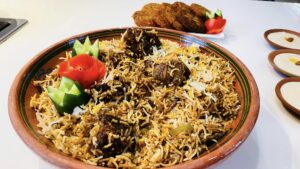
After the final resting period, gently fluff the chicken pulao and serve it hot. The individual basmati grains should remain distinct, while the chicken should be tender and coated with the cooked masala.
The supplied recipe recommends serving the pulao with raita and a fresh salad. Their freshness provides a simple contrast to the aromatic rice and seasoned chicken.
For readers interested in broader professional food preparation and cooking techniques, Culinary Arts Courses in Lahore can be explored alongside practical recipe learning.
Conclusion
This chicken yakhni pulao recipe gets its flavour from a slow-simmered chicken yakhni, golden onions, yogurt masala, whole spices, and careful rice cooking. Soaking the basmati, maintaining the appropriate rice-to-yakhni ratio, watching for small craters, and finishing with slow dum cooking are all important for achieving separate, aromatic grains.
Once the rice has rested, fluff it gently and serve with raita and fresh salad. For more practical Pakistani recipes, cooking guides, and kitchen tips, explore SB Kitchens and continue developing your everyday cooking skills.