Skip to content
Chicken tikka is a popular way to prepare marinated chicken with a rich combination of yogurt, spices, ginger-garlic, and lemon. The chicken is cut into manageable pieces, coated thoroughly in a thick marinade, then grilled, baked, or cooked over controlled heat until tender with lightly charred edges.
A successful chicken tikka recipe depends on more than the spice mixture. The chicken needs enough time to absorb the marinade, excess moisture must be controlled, and the cooking temperature needs to be high enough to develop colour without drying the meat. With the right preparation, you can make juicy, flavorful chicken tikka at home and serve it with naan, chutney, onion rings, and lemon wedges.
Chicken Tikka Recipe Ingredients
The main chicken tikka ingredients are simple and easy to adjust according to your preferred level of spice.
For the marinade, use boneless chicken, preferably chicken thighs for a particularly tender result, although chicken breast can also be used. You will also need yogurt, lemon juice, ginger-garlic paste, red chili powder, cumin, coriander, garam masala, salt, and suitable tandoori spices if desired.
Other useful ingredients include a small amount of cooking oil and additional spices for colour and flavour. The marinade should be thick enough to coat the chicken rather than run off it.
The basic combination includes:
- Boneless chicken cut into tikka-sized pieces
- Thick yogurt
- Lemon juice
- Ginger-garlic paste
- Red chili powder
- Cumin
- Coriander
- Garam masala
- Salt
- Tandoori spices, if preferred
- A small amount of oil
The exact balance can be adjusted according to taste, but avoid adding excessive lemon juice or chilli because the marinade should complement the chicken rather than overpower it.
Prepare the Chicken for Tikka

Start by cutting the chicken into pieces of approximately similar size. Consistency is important because pieces that are significantly different in thickness will cook at different rates.
Boneless chicken thighs are a good option because they contain enough natural moisture and fat to remain tender during high-heat cooking. Chicken breast can also produce good tikka, but it needs more careful heat control because it can dry out more easily.
Trim away any unwanted excess and cut the chicken into pieces that are large enough to thread onto skewers without falling apart. Avoid making them extremely small because they can lose moisture quickly during grilling or baking.
Before adding the marinade, make sure the chicken is reasonably dry. Excess surface moisture can dilute the marinade and make it harder for the chicken to develop the characteristic browned and lightly charred exterior.
Make the Yogurt Marinade
Place the yogurt in a mixing bowl and whisk it until smooth. Add lemon juice, ginger-garlic paste, red chili powder, cumin, coriander, garam masala, salt, and any additional tandoori spices you prefer.
Mix thoroughly until the spices are evenly distributed.
The consistency of the marinade matters. It should be thick enough to cling to the chicken in a reasonably even layer. If it is extremely thin, much of the mixture will slide away during cooking, leaving the chicken with less flavour and making browning more difficult.
Yogurt provides body and helps create a coating around the chicken, while lemon juice contributes acidity. Ginger and garlic add savoury depth, and the combination of red chili, cumin, coriander, and garam masala provides the characteristic spiced flavour.
Avoid making the marinade excessively acidic. Too much lemon juice can overpower the other ingredients and make the finished tikka taste sharply sour.
Marinate the Chicken Properly
Add the chicken pieces to the marinade and mix until every piece is thoroughly coated. There should be enough marinade around the chicken to cover the surface without creating a large pool of excess mixture in the bowl.
Cover the chicken and allow it to marinate for several hours. A few hours gives the seasoning time to develop throughout the chicken, while a longer marination can provide deeper flavour.
If you are preparing the tikka ahead of time, keep the marinated chicken chilled until you are ready to cook it. Before cooking, avoid leaving a large amount of loose marinade clinging to each piece. A thick coating is useful, but excessive wetness can interfere with browning.
For beginners learning practical preparation techniques, the Cooking Course for Beginners at SB Kitchens can help build confidence with basic ingredient preparation and cooking methods.
Thread the Chicken Onto Skewers
Once the chicken has finished marinating, thread the pieces onto skewers while leaving a small amount of space between them.
Do not compress the pieces tightly together. Air and heat need to reach the surfaces so the chicken can brown properly.
If you are using wooden skewers, prepare them according to the manufacturer’s instructions before placing them over high heat. Metal skewers can also be used and are particularly convenient for grilling.
Arrange the pieces so that similarly sized pieces are together where possible. This makes it easier to control the cooking and prevents smaller pieces from becoming dry while thicker pieces are still cooking.
How to Cook Chicken Tikka
Chicken tikka can be prepared on a grill, in an oven, or on a suitable stovetop or grill pan. The key is controlled, relatively high heat that allows the chicken to cook while developing colour on the outside.
Grilling Chicken Tikka

Preheat the grill before adding the skewers. Place the chicken over the heat and allow the first side to cook until it begins to develop colour.
Turn the pieces periodically rather than constantly moving them. Each side needs enough contact with the heat to develop browned edges.
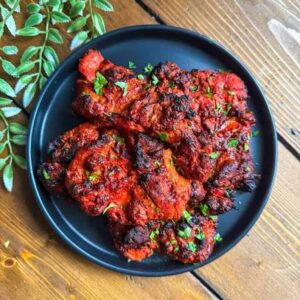
As the chicken cooks, look for lightly charred spots around the edges. This charring contributes the characteristic grilled appearance and smoky flavour associated with tikka.
If the outside is browning very quickly while the centre is not yet cooked, reduce the intensity of the heat or move the chicken slightly farther away from the strongest heat.
Baking Chicken Tikka
For oven cooking, preheat the oven before placing the chicken inside. Arrange the skewered pieces with enough space between them so hot air can circulate.
Cook at a sufficiently high temperature to encourage browning, turning the pieces during cooking so that multiple surfaces develop colour.
If your oven has a grill or broiler function, it can be used toward the end to develop additional colour and light charring. Watch the chicken carefully during this stage because the surface can darken quickly.
How to Keep Chicken Tikka Juicy
The biggest mistake when making tikka is leaving the chicken over high heat for too long.
Chicken breast in particular can become dry if it is cooked well beyond the point where it is done. Cut the pieces evenly, use a suitable marinade, and maintain controlled heat throughout cooking.
The chicken should develop browned and lightly charred surfaces while remaining tender inside. When the thickest piece is properly cooked, remove the chicken rather than continuing to cook it simply to make the exterior darker.
Allow the cooked tikka to rest briefly before serving. This gives the meat time to settle and helps preserve a more pleasant texture.
How to Get Proper Charring
Good charring requires a balance between moisture and heat. If the chicken is covered in an excessively wet layer of marinade, it may steam rather than brown.
Before placing the pieces on the grill or into the oven, allow excess marinade to remain in the bowl rather than carrying a thick pool of it onto the cooking surface.
Once the surface moisture has reduced, the heat can create the browned edges and small charred spots that give murgh tikka its distinctive appearance.
Do not aim for heavy blackening. Light, controlled charring is enough to develop flavour without making the chicken bitter or burnt.
Troubleshooting Chicken Tikka

Chicken Is Dry
Dry chicken usually results from overcooking, especially when using lean chicken breast. Use evenly sized pieces, control the heat, and remove the chicken once it has finished cooking rather than leaving it on the grill for extra colour.
Tikka Tastes Bland
Bland tikka may result from insufficient seasoning or too little marination time. Make sure the marinade coats every piece and contains enough salt, spices, ginger-garlic, and acidity for the amount of chicken being prepared.
Marinade Slides Off
A thin marinade or excess moisture on the chicken can prevent proper coating. Use thick yogurt, drain excess moisture from the chicken, and mix thoroughly so the marinade adheres to each piece.
Chicken Does Not Brown
Too much surface moisture can cause steaming instead of browning. Avoid excessive marinade on the outside and use sufficiently high, controlled heat to encourage caramelisation and light charring.
Chicken Cooks Unevenly
Uneven pieces are a common cause of inconsistent cooking. Cut the chicken into similar-sized pieces and avoid placing very small and very large pieces together on the same skewer.
Marinade Is Too Sour or Spicy
Excess lemon juice can make the marinade sharply acidic, while too much chilli can overpower the chicken. Balance strong ingredients with yogurt and adjust the seasoning gradually rather than adding large amounts at once.
Rest, Garnish, and Serve
Once the chicken tikka is cooked, allow it to rest briefly before removing it from the skewers. This makes the pieces easier to handle and gives the texture time to settle.
Garnish with fresh coriander if desired and serve with lemon wedges, onion rings, and chutney. Warm naan makes a natural accompaniment, while a fresh chutney provides acidity and freshness alongside the spiced chicken.
You can also serve the tikka as part of a larger meal with a simple salad or other sides. The important thing is to serve it while the chicken is still warm and the exterior retains its freshly grilled texture.
For readers interested in developing broader culinary techniques beyond individual recipes, Culinary Arts Courses in Lahore can provide a more structured introduction to professional cooking skills.
Conclusion
This chicken tikka recipe is built around a few important principles: use evenly sized chicken pieces, prepare a thick yogurt-based marinade, allow enough time for the flavours to develop, and cook over controlled high heat.
The goal is tender chicken with a well-seasoned exterior, light charring, and enough moisture to remain juicy. Controlling excess marinade and avoiding overcooking are especially important for achieving the right result.
For more practical recipes, cooking guides, and kitchen learning resources, explore SB Kitchens and continue developing your cooking skills one recipe at a time.